Introduction: A Controversial Economic Era
The presidency of Donald Trump marked a significant shift in global economic strategy, particularly through aggressive trade policies and geopolitical tensions. During this period, many countries experienced economic uncertainty, leading critics to argue that these actions disrupted global markets. Supporters, however, viewed these moves as necessary steps to protect national interests and rebalance trade relationships. The debate surrounding this era continues to shape discussions about international economics and political strategy. Understanding what actually happened requires separating perception from policy. Rather than a single objective, the administration’s actions reflected a mix of economic priorities and political goals. These decisions had ripple effects across industries and nations. The global economy became more interconnected with political decisions than ever before. This article explores the policies, their impact, and the strategic thinking behind them. It also examines how different countries were affected by these changes. The goal is to provide a balanced and clear understanding of a complex topic.
Understanding the Trade War Strategy
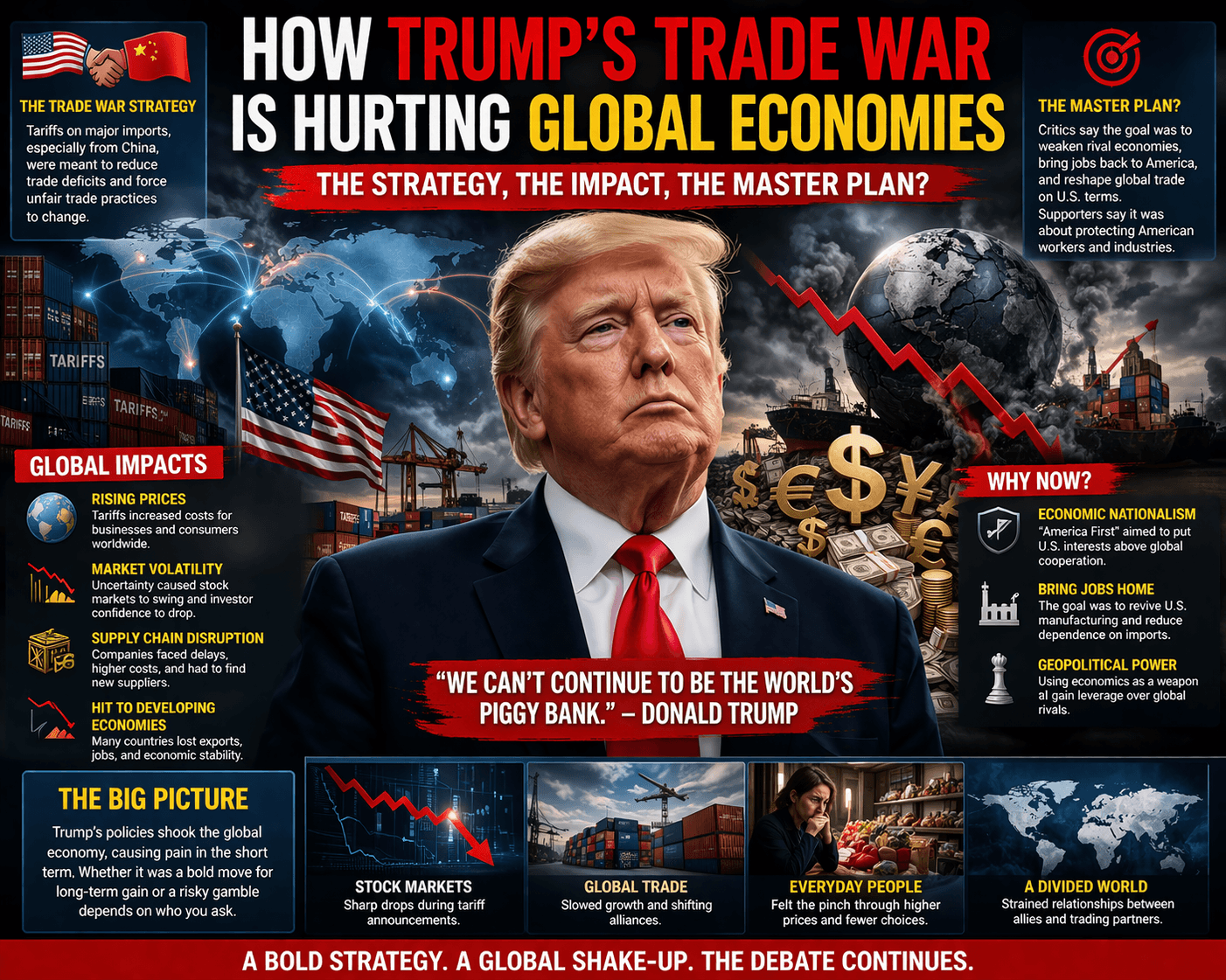
One of the defining features of Trump’s economic approach was the use of trade wars, particularly with major economies like China. Tariffs were imposed on a wide range of goods, aiming to reduce trade deficits and encourage domestic production. This strategy was based on the idea that the United States had been at a disadvantage in global trade agreements. By increasing tariffs, the administration sought to pressure other countries into renegotiating terms. Critics argued that this approach disrupted global supply chains and increased costs. Supporters believed it would strengthen domestic industries over time. Trade wars are complex and often have unintended consequences. While some sectors benefited, others faced challenges due to increased costs. The strategy highlighted the interconnected nature of global economies. It also showed how quickly policies can impact international markets. The effects were felt far beyond the countries directly involved.
Impact on Global Supply Chains
The introduction of tariffs and trade restrictions had a major impact on global supply chains. Companies that relied on international manufacturing faced increased costs and delays. This forced many businesses to rethink their strategies and sourcing methods. Some companies shifted production to other countries to avoid tariffs. This created new economic opportunities in certain regions while disrupting others. The uncertainty also affected long-term planning and investment decisions. Global supply chains are built on stability and predictability. When policies change suddenly, it creates challenges for businesses. The ripple effects can be seen in pricing, availability, and production timelines. This period highlighted the vulnerability of interconnected economies. It also showed how policy decisions can reshape global trade patterns.
Effects on Developing Economies
Developing countries were also impacted by these economic changes. Some nations benefited from shifts in production as companies moved operations away from high-tariff regions. Others faced challenges due to reduced demand and market instability. The global nature of trade means that changes in one major economy can affect many others. Developing economies often have less flexibility to adapt quickly. This makes them more vulnerable to sudden shifts in policy. At the same time, some countries saw opportunities to attract new investments. The overall impact varied depending on each country’s economic structure. This complexity makes it difficult to generalize the effects. It also highlights the importance of global cooperation. The situation demonstrated how interconnected the world economy has become.
Economic Nationalism and “America First”
A key principle behind Trump’s policies was economic nationalism, often summarized by the phrase “America First.” This approach prioritized domestic industries and workers over global cooperation. The goal was to bring manufacturing jobs back to the United States and reduce reliance on foreign goods. Supporters saw this as a necessary correction to globalization. Critics argued that it weakened international partnerships and created tension. Economic nationalism can lead to short-term gains but may have long-term consequences. It often results in retaliatory measures from other countries. This creates a cycle of tariffs and counter-tariffs. The approach reflects a shift away from traditional global economic strategies. It also raises questions about the future of international trade.
Market Reactions and Investor Confidence
Financial markets reacted strongly to policy changes during this period. Announcements of tariffs or trade negotiations often led to volatility in stock markets. Investors value stability and predictability, which were sometimes lacking during this time. This uncertainty affected business confidence and investment decisions. Companies became more cautious about expansion and long-term planning. Market fluctuations also impacted individual investors and retirement funds. The global nature of financial markets means that changes in one country can have widespread effects. This period demonstrated how closely markets are tied to political decisions. It also highlighted the importance of clear communication in maintaining investor confidence. The reactions were not always negative, but they were often unpredictable.
Impact on Consumers and Prices
Consumers were directly affected by these economic policies. Tariffs often lead to higher prices for imported goods, which can increase the cost of living. Businesses may pass on these costs to customers. This can affect purchasing power and consumer behavior. Some domestic industries benefited from reduced competition. However, others faced challenges due to higher input costs. The overall impact on consumers depends on various factors. It can vary by region, industry, and income level. Understanding these effects is important for evaluating policy outcomes. The balance between protecting industries and maintaining affordability is complex. This issue remains a key point of debate.
Geopolitical Tensions and Economic Impact
Economic policies were closely linked to geopolitical tensions during this period. Trade disputes often extended into broader political conflicts. This created an environment of uncertainty in international relations. Countries responded with their own policies and strategies. These interactions influenced global economic stability. Geopolitical tensions can disrupt trade, investment, and cooperation. They also affect long-term economic planning. The relationship between politics and economics became more evident. This period showed how interconnected these factors are. It also highlighted the challenges of managing global relationships.
Was There a “Master Plan”?
The idea of a single “master plan” is often debated, but in reality, policies were likely driven by multiple objectives. These included reducing trade deficits, strengthening domestic industries, and renegotiating agreements. Political considerations also played a role in decision-making. Economic strategies are rarely simple or unified. They involve balancing competing priorities and responding to changing conditions. While some actions may appear coordinated, others are reactive. Understanding this complexity is important. It helps avoid oversimplifying the situation. The outcomes of these policies were shaped by many factors. This makes it difficult to attribute them to a single plan.
Supporters’ Perspective on the Strategy
Supporters of Trump’s policies argue that these actions were necessary to address long-standing issues. They believe that previous trade agreements were unfavorable. By taking a more aggressive approach, the administration aimed to create better conditions for American workers. Supporters point to certain economic indicators as evidence of success. They also emphasize the importance of national sovereignty. This perspective highlights the benefits of challenging existing systems. It also reflects a different approach to global economics. Understanding this viewpoint is essential for a balanced discussion. It shows why the policies had strong support among certain groups.
Critics’ Perspective on Global Disruption
Critics argue that the policies caused unnecessary disruption to the global economy. They believe that cooperation and multilateral agreements are more effective. Trade wars, in their view, create more problems than they solve. Critics highlight the negative impact on businesses, consumers, and international relationships. They also point to increased uncertainty and market volatility. This perspective emphasizes the importance of stability and predictability. It reflects concerns about long-term consequences. The debate between these perspectives is ongoing. It shapes how these policies are viewed today.
Long-Term Effects on the Global Economy
The long-term effects of these policies are still being evaluated. Some changes in trade patterns and supply chains may become permanent. Countries and companies have adapted to new conditions. This could lead to a more diversified global economy. However, it may also result in reduced efficiency. The balance between resilience and efficiency is a key issue. Long-term outcomes depend on future policies and global cooperation. This period will likely influence economic strategies for years to come. It serves as a case study in modern economic policy.
Lessons for Future Economic Policies
This period offers important lessons for policymakers. It highlights the impact of trade policies on global systems. It also shows the importance of communication and cooperation. Balancing national interests with global stability is a major challenge. Policymakers must consider both short-term and long-term effects. The experience provides valuable insights into economic strategy. These lessons can help shape future decisions. They also emphasize the need for adaptability in a changing world.
Conclusion: A Complex Economic Shift
The economic policies of Donald Trump’s administration had far-reaching effects on the global economy. While some viewed these actions as disruptive, others saw them as necessary reforms. The reality is complex and multifaceted. These policies influenced trade, markets, and international relationships. They also sparked important debates about the future of global economics. Understanding these events requires looking at both perspectives. It also involves recognizing the interconnected nature of modern economies. This period will continue to be studied and discussed. Its impact will shape economic thinking for years to come.