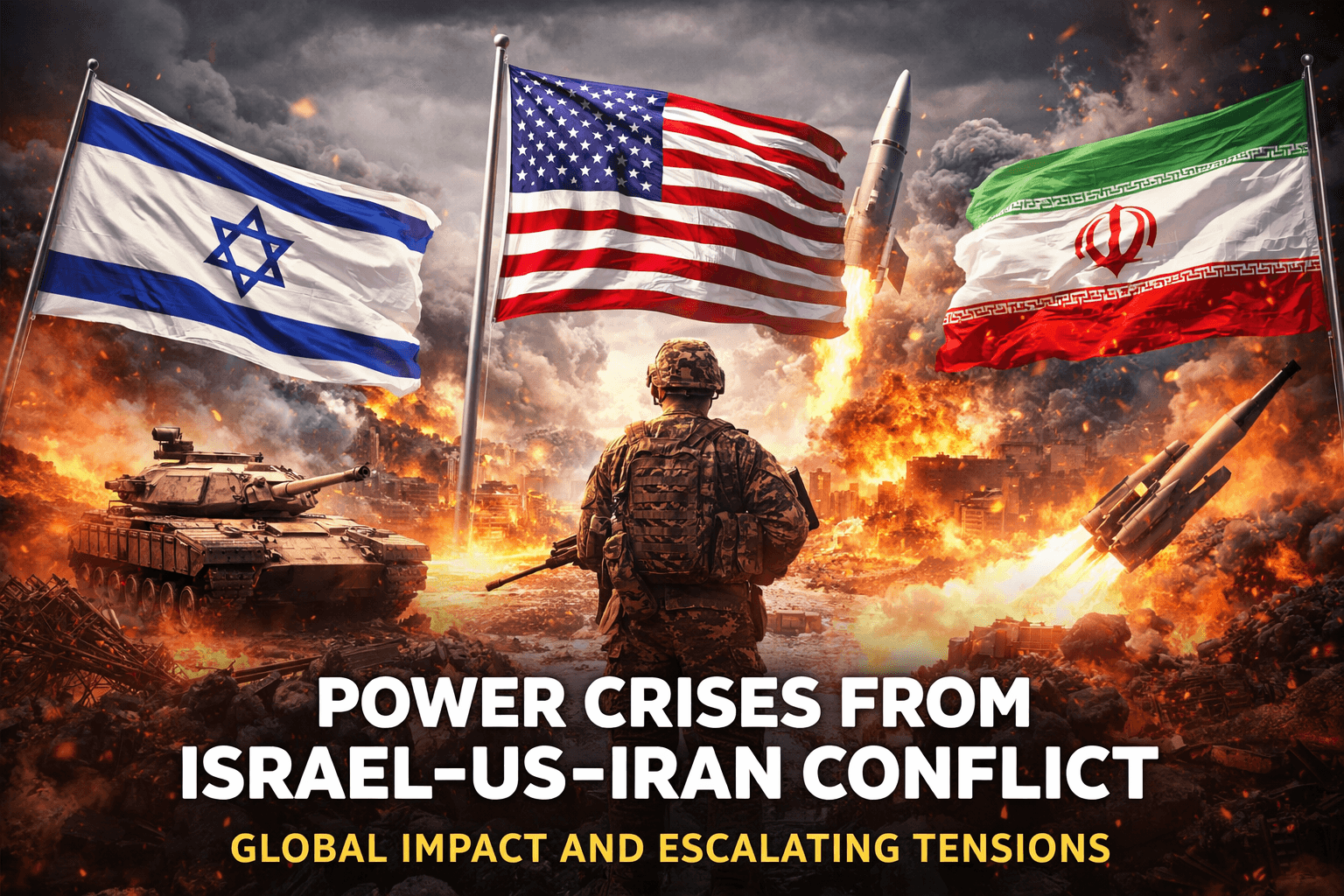
The ongoing geopolitical tensions involving Israel, United States, and Iran have escalated into a major international crisis, significantly impacting global stability. What initially began as targeted military actions has now expanded into a broader conflict affecting energy supplies, economic systems, and regional security. The situation continues to evolve rapidly, with new developments emerging almost daily. This crisis is no longer confined to one region, as its effects are spreading across the globe. Governments and industries are closely monitoring the situation, aware that the consequences could be long-lasting. The uncertainty surrounding the conflict has created चिंता among global leaders and citizens alike. As tensions rise, the world is witnessing one of the most critical geopolitical challenges of recent times. The outcome of this situation could reshape international relations and economic structures for years to come.
One of the most immediate impacts of the conflict is the disruption of global energy supplies. The Middle East plays a crucial role in oil and gas production, making any instability in the region a major concern for the global economy. Key shipping routes are under pressure, affecting the movement of energy resources across international markets. This disruption has led to rising oil prices, which in turn are increasing costs for transportation, manufacturing, and daily living. Countries that depend heavily on imported energy are feeling the strain more intensely. The energy crisis is not limited to fuel alone; it is also affecting electricity generation and industrial operations. As supply chains become strained, the effects are being felt across multiple sectors. The interconnected nature of global energy systems means that even localized disruptions can have worldwide consequences. This highlights the vulnerability of modern economies to geopolitical conflicts.
The military escalation between the involved nations has intensified the situation further. Airstrikes, missile attacks, and strategic operations have created a cycle of retaliation that is difficult to control. Major cities and infrastructure have been affected, leading to both physical damage and human casualties. The involvement of powerful nations has added complexity to the conflict, increasing the risk of further escalation. The situation remains highly volatile, with each new development potentially triggering additional responses. Civilians in affected areas are facing significant challenges, including safety concerns and disruptions to daily life. The استمرار of military actions makes it difficult to establish stability or initiate peace talks. This ongoing tension is contributing to global uncertainty, affecting not only the region but the entire world. The longer the conflict continues, the greater the risk of widespread последствия.
Another major concern is the damage to energy infrastructure within the region. Power plants, oil facilities, and transportation networks are at risk due to ongoing military activities. Even temporary disruptions can have long-term effects on energy production and distribution. Repairing damaged infrastructure is a complex and time-consuming process, which can delay recovery efforts. This has raised concerns about potential power shortages in multiple regions. Countries are being forced to explore alternative energy sources and strategies to mitigate the impact. The damage to infrastructure also affects economic productivity, further compounding the crisis. As the situation continues, maintaining energy security has become a top priority for governments worldwide. The الأزمة highlights the importance of protecting critical infrastructure during conflicts.
The economic consequences of this crisis are becoming increasingly visible. Rising energy prices are contributing to inflation, affecting the cost of goods and services globally. Businesses are facing higher operational costs, which may lead to reduced production and job losses. Financial markets are experiencing volatility as investors react to the uncertainty. Governments are implementing measures to stabilize their economies, but these efforts may only provide temporary relief. The long-term impact will depend on how quickly the conflict can be resolved. If the situation persists, it could lead to a slowdown in global economic growth. The interconnected nature of modern economies means that disruptions in one region can have far-reaching effects. This crisis serves as a reminder of the أهمية of economic resilience in times of geopolitical instability.
Global trade and transportation are also being significantly affected. Disruptions in key shipping routes are causing delays and increasing costs for the movement of goods. Industries that rely on timely deliveries are facing challenges, leading to potential shortages in certain markets. Companies are being forced to adapt by finding alternative routes and suppliers. This shift is increasing logistical complexity and expenses. The uncertainty surrounding the conflict is making long-term planning difficult for businesses. As a result, global trade dynamics are being reshaped. The situation underscores the أهمية of stable and secure trade routes for the functioning of the global economy. Continued disruptions could have lasting effects on international التجارة.
Geopolitically, the crisis is reshaping global power dynamics. The involvement of multiple nations has increased the complexity of the situation, with alliances and strategic interests coming into play. Countries are taking positions based on their سیاسی and economic priorities, leading to shifts in international relationships. Diplomatic efforts are ongoing, but achieving a resolution remains challenging due to differing perspectives. The الأزمة highlights the importance of الحوار and cooperation in addressing global challenges. Without effective diplomacy, the risk of further escalation remains high. The changing geopolitical landscape will likely influence future policies and strategies. This conflict is a clear example of how regional tensions can have global implications.
The humanitarian impact of the crisis is another critical aspect that cannot be overlooked. Civilians in affected areas are facing severe hardships, including displacement and limited access to essential services. The destruction of infrastructure has made it difficult to provide basic necessities such as food, water, and healthcare. Vulnerable populations are particularly at risk, as they have fewer resources to cope with the crisis. Humanitarian efforts are ongoing, but challenges remain due to the unstable environment. Addressing these issues requires coordinated international support and long-term solutions. The human cost of the conflict is a stark reminder of the consequences of الحرب. Ensuring the safety and well-being of civilians must remain a priority.
Looking ahead, the future of this crisis remains uncertain. While there are efforts to reduce tensions through diplomacy, the situation continues to evolve rapidly. The potential for further escalation cannot be ruled out, especially given the current مستوى التوتر. At the same time, there is hope that negotiations and international pressure could lead to a resolution. The outcome will have significant implications for global energy markets, economic stability, and geopolitical relations. Lessons learned from this crisis will shape future responses to similar challenges. The need for cooperation and dialogue has never been more important. The world is watching closely as events unfold.
In conclusion, the conflict involving Israel, United States, and Iran has developed into a major global crisis with far-reaching consequences. From energy disruptions and economic instability to geopolitical tensions and humanitarian challenges, the impact is widespread. The situation underscores the importance of maintaining stability in critical regions and strengthening international cooperation. As the crisis continues, its effects will likely shape global policies and strategies for years to come. While the path forward remains uncertain, one thing is clear: the need for peace, stability, and collaboration is more urgent than ever.