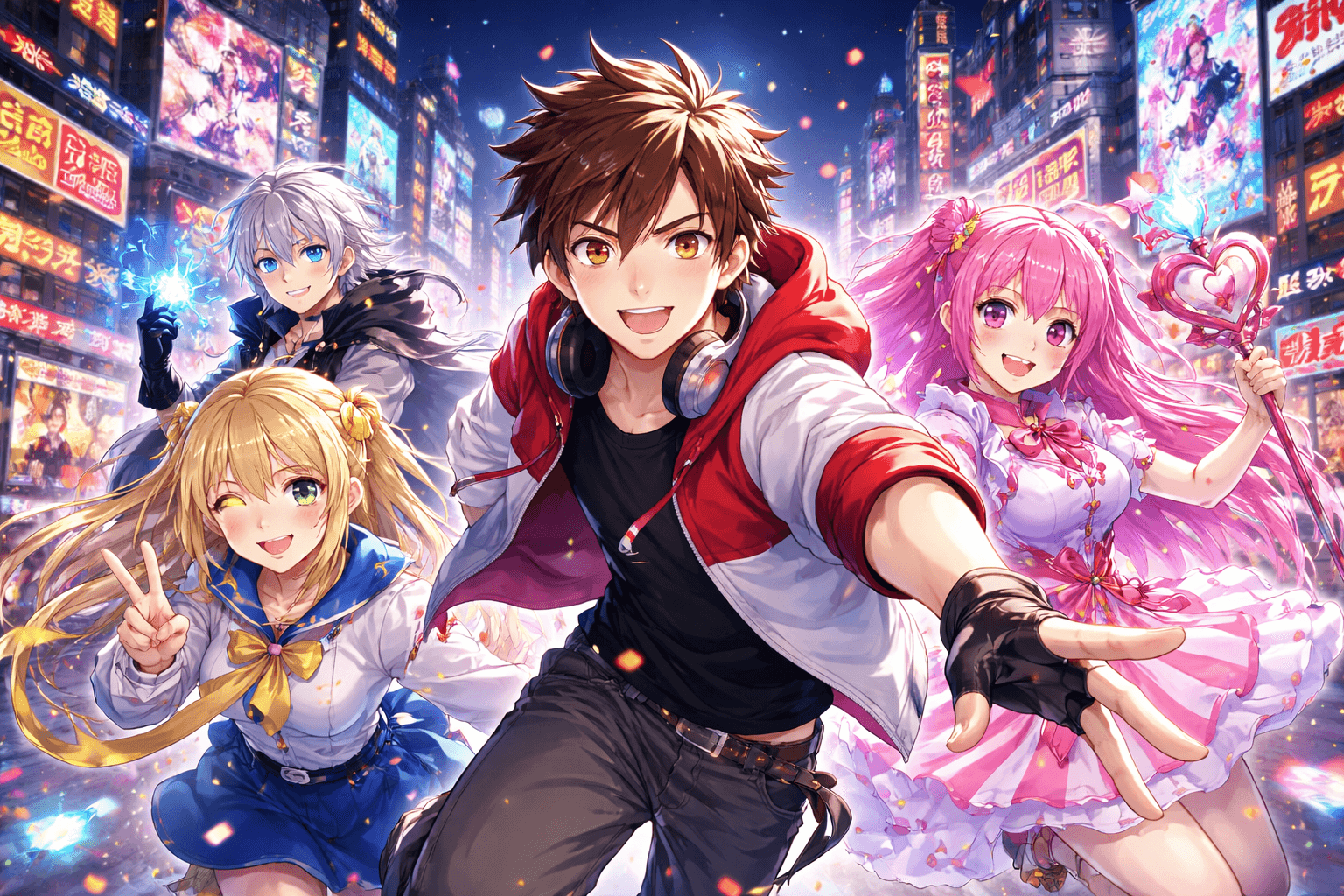
Anime has transformed from a niche form of entertainment into a global cultural phenomenon, and in 2026, its influence is stronger than ever before. What was once primarily associated with Japan has now expanded across continents, captivating audiences of all ages and backgrounds. Streaming platforms have made anime more accessible, allowing fans to watch their favorite shows instantly from anywhere in the world. This accessibility has played a crucial role in increasing the global fanbase, turning anime into a mainstream entertainment medium. From action-packed series to emotional storytelling, anime offers something for everyone, making it one of the most versatile forms of content available today. The growth of anime communities online has further fueled its popularity, creating spaces where fans can discuss, share, and celebrate their favorite series. As the industry continues to evolve, anime is no longer just entertainment—it is a cultural movement shaping trends across the globe.
One of the biggest reasons behind the rise of anime today is the dominance of streaming platforms. Services like Netflix, Crunchyroll, and Amazon Prime Video have invested heavily in anime production and distribution. These platforms are not only licensing popular titles but also creating original anime content to attract subscribers. This competition has led to higher production quality and a wider variety of genres being explored. Viewers now have access to both classic series and new releases at their fingertips, eliminating the barriers that once limited anime’s reach. Additionally, the availability of subtitles and dubbed versions has made anime more accessible to non-Japanese audiences. The convenience of streaming has fundamentally changed how people consume anime, making binge-watching a common experience. As a result, anime has become a daily part of entertainment for millions worldwide.
Another major trend in anime today is the rise of high-quality storytelling and cinematic animation. Modern anime series are pushing the boundaries of creativity, combining stunning visuals with deep, emotionally engaging narratives. Shows like Attack on Titan and Jujutsu Kaisen have set new standards for storytelling, blending intense action with complex characters and moral dilemmas. These series are not just visually impressive but also intellectually engaging, often exploring themes such as freedom, identity, and human nature. The evolution of animation technology has allowed studios to create breathtaking scenes that rival big-budget films. As a result, anime is increasingly being recognized as a legitimate form of art and storytelling. This shift has attracted a wider audience, including those who previously did not watch anime. The combination of visual excellence and compelling narratives is a key factor driving the current anime boom.
The influence of anime on global pop culture is another sign of its growing dominance. Anime-inspired fashion, music, and art are becoming increasingly popular, especially among younger generations. Social media platforms are filled with anime edits, fan art, and cosplay, showcasing the creativity of the community. Events like anime conventions and fan meetups are attracting thousands of attendees, further strengthening the culture. Popular characters and series have become icons, influencing everything from clothing brands to video games. The crossover between anime and other forms of entertainment is also increasing, with collaborations between anime creators and international artists. This cultural exchange is helping anime reach new audiences and expand its impact. As anime continues to shape global trends, it is becoming an integral part of modern pop culture.
In addition to entertainment, anime is also influencing the gaming industry in significant ways. Many popular video games are inspired by anime aesthetics and storytelling, creating immersive experiences for players. Games like Genshin Impact and Naruto x Boruto: Ultimate Ninja Storm Connections have successfully blended anime visuals with interactive gameplay. This synergy between anime and gaming has created a powerful ecosystem where fans can engage with their favorite worlds in multiple ways. Developers are increasingly collaborating with anime studios to create high-quality adaptations and original content. This trend is not only expanding the reach of anime but also redefining the gaming experience. As technology continues to advance, the integration of anime and gaming is expected to become even more seamless and immersive.
Another important aspect of anime’s growth is its impact on the global film industry. Anime movies are achieving unprecedented success at the box office, both in Japan and internationally. Films like Demon Slayer: Mugen Train have broken records and demonstrated the commercial potential of anime. These films combine high-quality animation with emotionally powerful storytelling, making them appealing to a broad audience. The success of anime movies has encouraged studios to invest more in theatrical releases, leading to higher budgets and better production quality. Additionally, international film festivals are increasingly recognizing anime as a significant art form. This recognition is helping to elevate the status of anime within the global entertainment industry. As more anime films achieve mainstream success, the industry is poised for even greater growth in the coming years.
The role of technology in shaping the future of anime cannot be overlooked. Advances in animation software, artificial intelligence, and virtual reality are opening up new possibilities for creators. AI tools are being used to assist with animation, reducing production time and costs while maintaining high quality. Virtual reality is also being explored as a way to create immersive anime experiences, allowing fans to step into their favorite worlds. These technological innovations are not only enhancing the creative process but also changing how audiences interact with anime. The integration of technology is making anime more dynamic and engaging than ever before. As these tools continue to evolve, they will play a crucial role in shaping the future of the industry. The combination of creativity and technology is driving anime into a new era of innovation.
Anime is also becoming a powerful medium for storytelling that reflects real-world issues and emotions. Many modern series tackle complex themes such as mental health, social inequality, and environmental challenges. This depth of storytelling resonates with audiences, making anime more than just entertainment. It provides a platform for exploring important topics and sparking meaningful conversations. Characters are often portrayed with greater realism, allowing viewers to connect with their struggles and experiences. This emotional connection is one of the reasons why anime has such a dedicated fanbase. By addressing real-world issues, anime is evolving into a medium that not only entertains but also educates and inspires. This shift is helping to redefine the perception of anime as a serious and impactful form of storytelling.
The global anime industry is also experiencing significant economic growth. The demand for anime content is driving investments from major companies and studios around the world. Merchandising, licensing, and streaming revenues are contributing to the industry’s expansion. Anime-related products, from figurines to clothing, are in high demand among fans. This economic impact extends beyond Japan, benefiting international markets as well. As the industry grows, it is creating new opportunities for artists, writers, and developers. The increasing popularity of anime is also encouraging collaborations between Japanese studios and international creators. This globalization of the anime industry is fostering innovation and diversity in storytelling. The economic success of anime is a testament to its widespread appeal and influence.
Looking ahead, the future of anime appears incredibly promising. With continuous advancements in technology, storytelling, and global distribution, anime is set to reach even greater heights. New genres and experimental formats are emerging, offering fresh experiences for audiences. The industry is becoming more inclusive, representing diverse cultures and perspectives. This inclusivity is helping anime connect with a broader audience and remain relevant in a rapidly changing world. As more people discover the magic of anime, its influence will continue to grow. The next generation of creators will bring new ideas and innovations, ensuring that anime remains a dynamic and evolving medium. The journey of anime is far from over, and its future is brighter than ever.
In conclusion, anime today is more than just a form of entertainment—it is a global phenomenon that continues to shape culture, technology, and storytelling. Its rapid growth is driven by accessibility, innovation, and a passionate community of fans. From streaming platforms to blockbuster films, anime is making its mark across multiple industries. As it continues to evolve, anime will play an even greater role in defining the future of entertainment. The combination of creativity, technology, and cultural influence makes anime one of the most exciting industries to watch. Whether you are a longtime fan or a newcomer, there has never been a better time to explore the world of anime. The revolution is here, and anime is leading the way